The Difference Between Insulation Types and Materials
Understanding the difference between insulation types and materials helps homeowners choose the right options, and local service providers can assist with expert installation and advice.
Understanding the difference between insulation types and materials is essential for property owners looking to improve energy efficiency and comfort. Whether renovating a home or updating an older building, choosing the right insulation can make a significant impact on heating and cooling costs. This guide is designed to help readers navigate the options available, ensuring they can make informed decisions that suit their specific needs. Property owners in the area often explore this topic to better understand how different insulation materials perform and which types work best for their climate and building structure. Local contractors specializing in insulation services can assist in evaluating these options and implementing the most effective solutions.
As you continue reading, you'll discover practical insights into the various insulation types and materials, highlighting their unique advantages and considerations. This knowledge can help property owners select the right insulation for their space, whether it’s for new construction or retrofit projects. Local service providers are equipped to help compare and install different insulation options, ensuring the chosen materials meet the requirements of your property. Exploring this topic further empowers property owners to make choices that enhance comfort, reduce energy costs, and improve overall building performance.
- Attic insulation installation - homeowners considering different insulation types and materials for attic upgrades can rely on local contractors to recommend suitable options based on their home's needs.
- Basement insulation services - when insulating basements, local service providers help determine the best materials to prevent moisture issues and improve energy efficiency.
- Wall insulation projects - individuals looking to improve home comfort often seek local pros to advise on the most effective insulation types and materials for wall cavities.
- Cavity insulation for new construction - builders and homeowners working on new builds can connect with local experts to select appropriate insulation materials that meet project specifications.
- Insulation removal and replacement - those replacing outdated or damaged insulation can find local contractors to identify the right types and materials for upgraded performance.
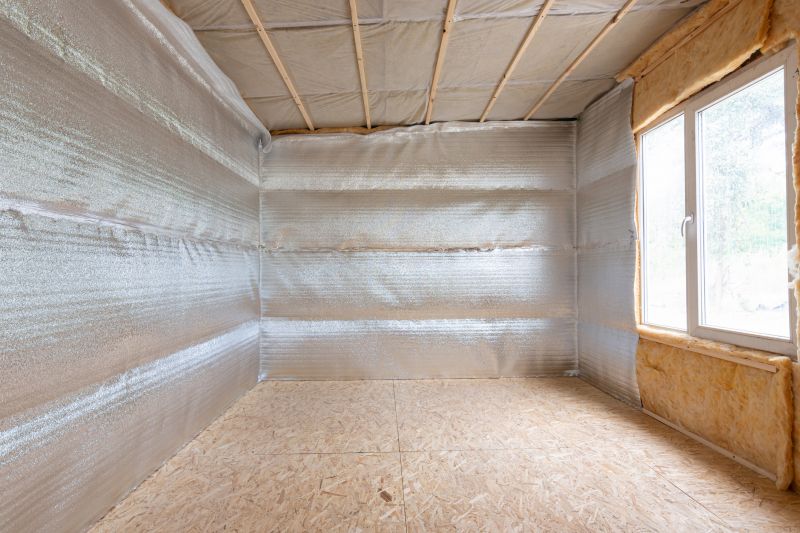
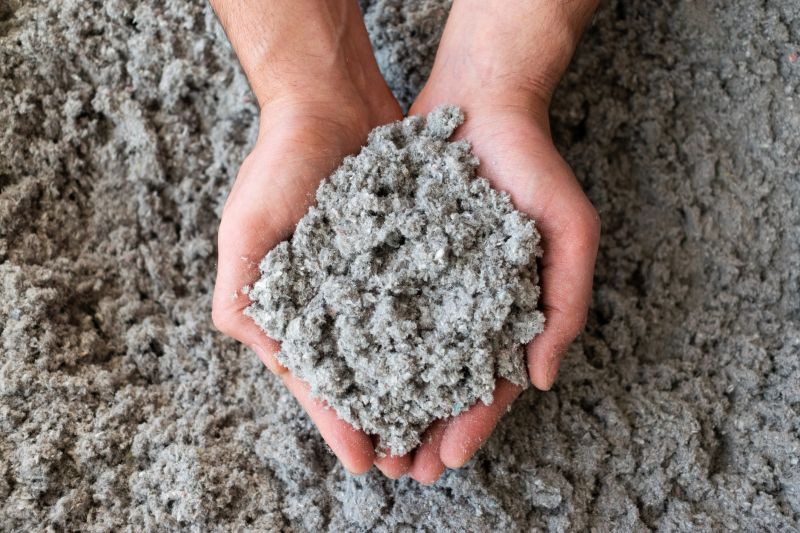
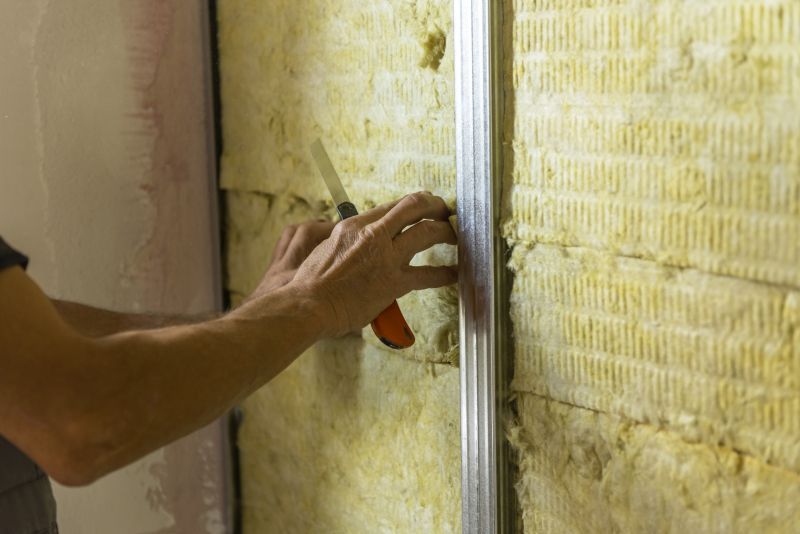
When homeowners search for information about the difference between insulation types and materials, they are often trying to understand which options are best suited for their specific property and project goals. This topic typically arises during planning for home upgrades, renovations, or new construction, especially when aiming to improve energy efficiency or comfort. People may be experiencing issues like uneven temperatures, high energy bills, or noise problems and want to explore how different insulation options can help. Understanding the distinctions between various insulation types and materials enables homeowners to make informed decisions about which products and installation methods will work effectively in their particular spaces.
The kinds of problems connected to insulation choices often involve balancing cost, performance, and durability. For example, a homeowner might be considering insulation for a basement, attic, or exterior walls, each requiring different approaches. Some properties, such as older homes, may need specific types of insulation to address unique structural challenges or moisture concerns. Others might be planning a new build where the choice of insulation impacts long-term energy savings and comfort. Local service providers can assess these needs, recommend suitable insulation materials, and determine the best types of insulation to match the property’s design and existing construction.
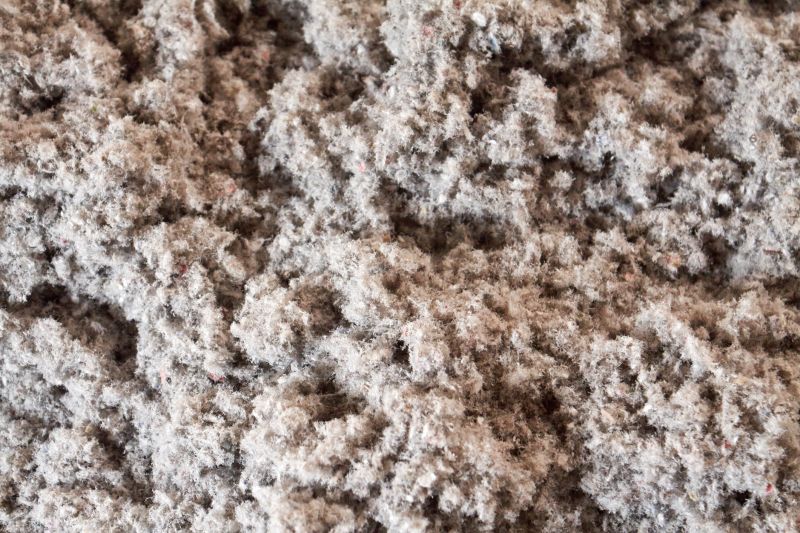
Properties that typically come up in discussions about insulation include residential houses, multi-family buildings, and light commercial structures. The age, size, and layout of a property influence which insulation types are most appropriate. For example, attics in older homes might benefit from blown-in cellulose or fiberglass batts, while exterior walls in new construction could be better suited for spray foam or rigid foam panels. Additionally, properties with specific issues like moisture infiltration or sound transmission may require specialized insulation materials. Local contractors familiar with regional building codes and climate conditions can guide homeowners toward the most effective insulation solutions for their property type.
Understanding the difference between insulation types and materials is essential for planning a successful upgrade or new installation. Different materials offer varying levels of R-value, moisture resistance, and ease of installation, which can significantly impact the overall performance of the insulation. Whether choosing fiberglass, spray foam, cellulose, or foam boards, homeowners benefit from consulting with local service providers who can evaluate their property’s unique needs. These professionals can help determine the most suitable insulation types and materials, ensuring the chosen solutions will enhance comfort, energy efficiency, and durability in the long run.
Attic insulation projects - local contractors experienced in attic insulation often work with different insulation materials and understand the importance of choosing the right type for energy efficiency and durability.
Basement wall insulation - specialists in basement insulation can help determine suitable materials that prevent moisture issues and improve thermal performance based on the difference between insulation types and materials.
Wall cavity insulation - local service providers skilled in wall insulation can advise on the best materials to fit specific wall structures and improve overall insulation effectiveness.
Air sealing and weatherization - professionals in air sealing often need to understand various insulation materials to effectively reduce drafts and improve energy efficiency.
Roof and attic ventilation projects - contractors working on ventilation systems are familiar with insulation materials and their impact on airflow and temperature regulation.
Soundproofing installations - local pros offering soundproofing services often utilize different insulation materials to achieve desired acoustic performance, linking closely to insulation types and materials knowledge.
When evaluating local contractors for insulation services, it’s important to consider their experience with similar projects. An experienced service provider will have a solid understanding of the differences between insulation types and materials, allowing them to recommend solutions that suit the specific needs of your home. Asking about their past work on projects comparable in scope and complexity can provide insight into their familiarity with various insulation options. This knowledge can help ensure that the selected insulation type aligns with your goals for energy efficiency, comfort, and durability.
Clear, written expectations are essential when comparing local service providers. A reputable contractor will be able to outline the scope of work, the types of insulation materials they recommend, and the methods they will use to install them. This transparency helps prevent misunderstandings and ensures that both parties are aligned on project details. When reviewing proposals or estimates, look for detailed descriptions of the insulation materials and installation processes, which can give you confidence in the contractor’s understanding of the differences between insulation types and their suitability for your home.
Good communication and reputable references are vital when choosing local contractors for insulation work. Service providers who can provide references from previous clients with similar projects demonstrate a track record of reliable work. Additionally, clear and prompt communication throughout the process helps address questions about insulation options and ensures that your concerns about the differences between insulation types and materials are understood and considered. Engaging with contractors who prioritize transparency and responsiveness can contribute to a smoother project experience and a better understanding of the best insulation choices for your home.
Property owners often search for the difference between insulation types and materials when they are planning practical projects around their homes and businesses. Local pros provide Insulation Types and Materials services for everyday jobs and straightforward project options.
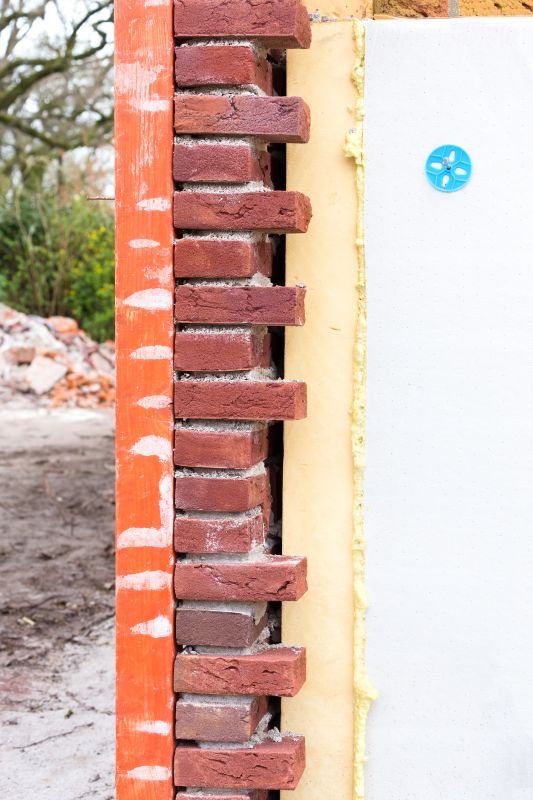
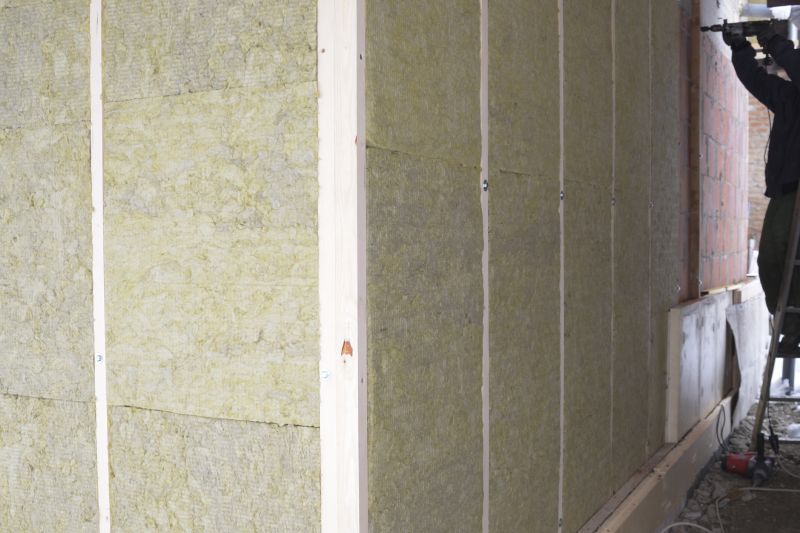
Understanding the difference between insulation types and materials is important for property owners considering upgrades or repairs. Different insulation options, such as fiberglass batts, spray foam, or cellulose, serve various needs in homes and commercial buildings. Local contractors can help evaluate which type suits specific spaces, whether it's insulating an attic, basement, or exterior walls, ensuring the right choice for energy efficiency and comfort.
Choosing the right insulation materials involves considering factors like R-value, installation method, and durability. For example, some materials may be better suited for areas prone to moisture, while others provide superior soundproofing. Property owners often look up this topic to make informed decisions and find experienced service providers who can recommend and install the most appropriate insulation materials for their project needs.
What is the difference between insulation types and materials? Insulation types refer to the categories based on how they are installed or used, such as batt, spray foam, or blown-in, while materials describe the actual substances like fiberglass, cellulose, or foam. Local contractors can help identify which type and material suit specific areas of a home or building.
How do different insulation materials compare in performance? Different materials offer varying levels of R-value, moisture resistance, and durability. Local service providers can explain the benefits of each material to help determine the best choice for insulation needs.
Can local pros help determine which insulation type is best for my space? Yes, experienced contractors can assess your property and recommend the most suitable insulation type based on factors like area usage, climate, and existing structures.
Are certain insulation materials better for specific parts of a building? Yes, some materials perform better in certain applications, such as spray foam for air sealing or fiberglass for ease of installation. Local professionals can advise on the best materials for different areas.
What should I consider when choosing insulation materials and types? Factors include thermal performance, installation method, moisture resistance, and compatibility with existing structures. Local service providers can help evaluate these aspects to recommend appropriate options.
Understanding insulation types can help property owners choose the best material for specific areas, such as attics or basements, with assistance from local contractors.
Comparing insulation materials allows homeowners to select options that suit their comfort needs and existing building structures through local service providers.
Knowing the differences between insulation types can guide property owners in planning upgrades or new installations with the help of local contractors experienced in various materials.
Learning about insulation materials helps property owners make informed decisions on durability and performance when working with local pros on insulation projects.
If you are thinking about the difference between insulation types and materials for a property, this guide is meant to help you understand this topic, the typical project types, and how different options might fit your plans.
When you are ready, you can use the quote form on this page to share a few details about your project. From there, local pros can review the basics and follow up with options that match what you have in mind.